
By Yohani Gwangway
The rapid increase of using plastic bags in Mwanza City has become a pressing issue that requires immediate intervention to resolve. As seen in episode one and two, there are several reasons contributing to the continued use of these bags despite the existence of the 2004 Environmental Management Act and the 2019 Environmental Management Regulations that prohibit plastic bags.
In this third episode, we will focus on what needs to be done to address the problem of plastic bag usage, which has significant negative impacts on the environment, terrestrial and aquatic life, the economy, and human health.
Given the significant harms outlined in the first episode of this investigation, affecting the environment, living creatures, the economy and humans, some residents of Mwanza city suggest that to eradicate the use of plastic bags, the government must educate the public about the negative impacts associated with their use.
“Here, the main issue is for them (environmental officers) to take the lead and start speaking out. They should go around the neighborhoods providing education so that people understand the dangers of these plastic bags. I think it will help a lot. It will be a catalyst for people to stop using these bags” said Rajabu, a resident of Mwanza.
The government’s effort to educate citizens will raise awareness, as they are the primary users of plastic bags and directly face the associated risks, including health hazards.
However, some citizens feel that education alone is insufficient. They argue that the government and responsible authorities should ban the production of plastic bags entirely. Their perspective is that people use these bags because they are readily available, but if production is stopped at the source, it will be easier to eliminate the problem.
“My advice, first and foremost, is that the government should start by stopping plastic bags at entry points, such as border crossings. If they stop them there, the bags won’t enter our country. And if they don’t enter, they won’t be used. So, the key solution is to prevent them from getting in.” Lilian John’s opinion on banning plastic bags.
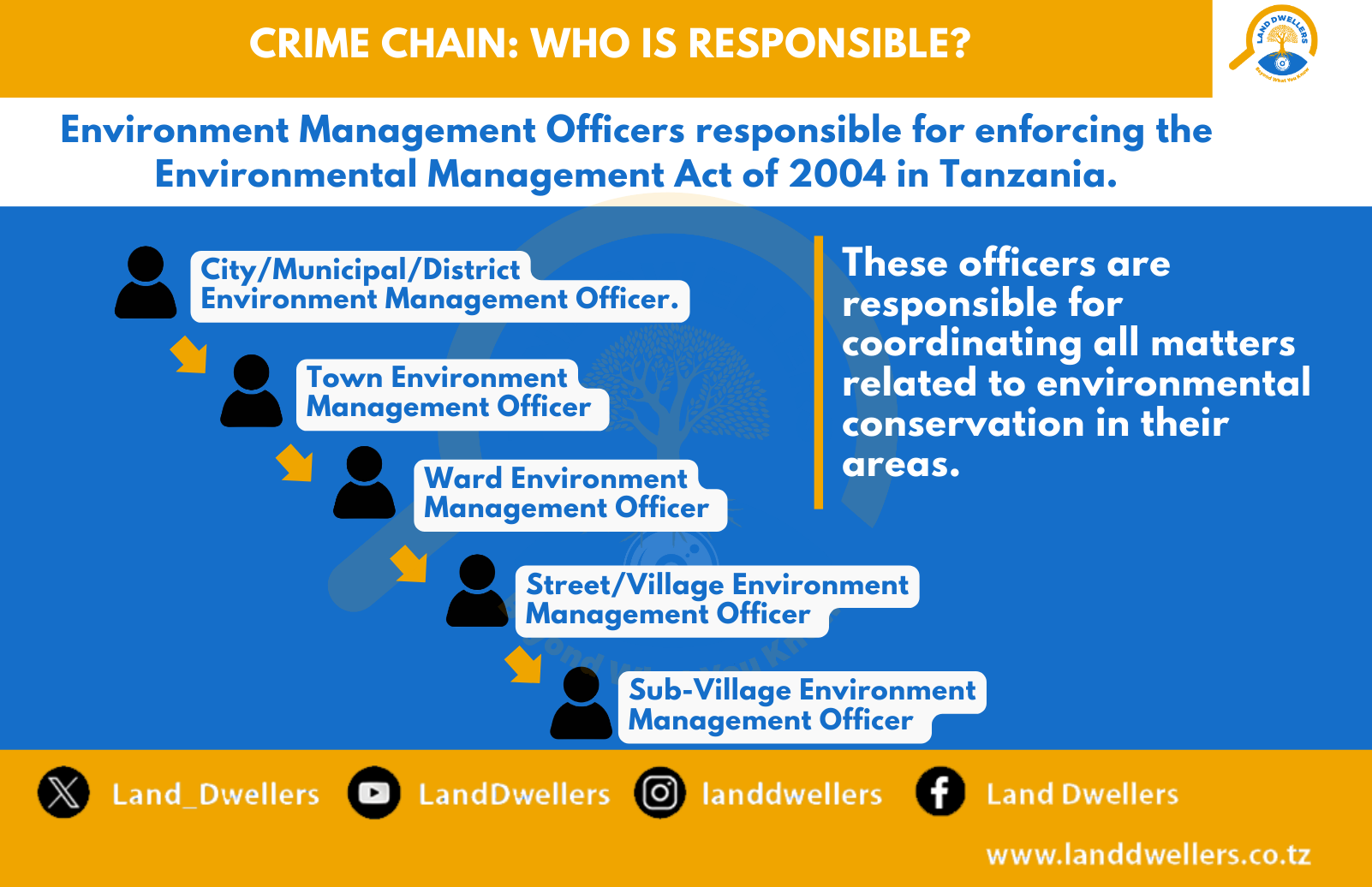
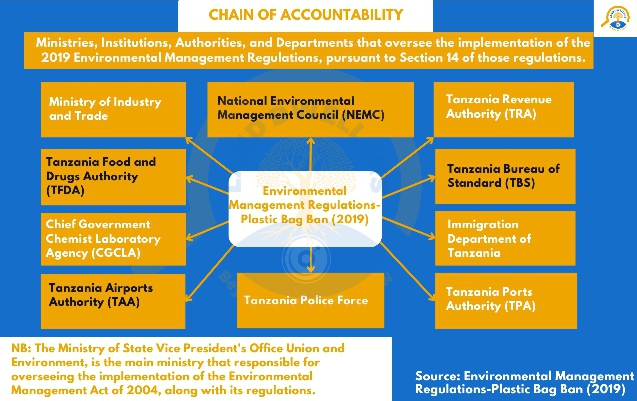
The continued use of plastic bags in Mwanza has been linked to a lack of accountability among some environment management officers, from the city level down to wards, streets, villages, and sub-village level. To address this issue, these officers must take responsibility and effectively carry out their duties in accordance with the Environmental Management Act of 2004.
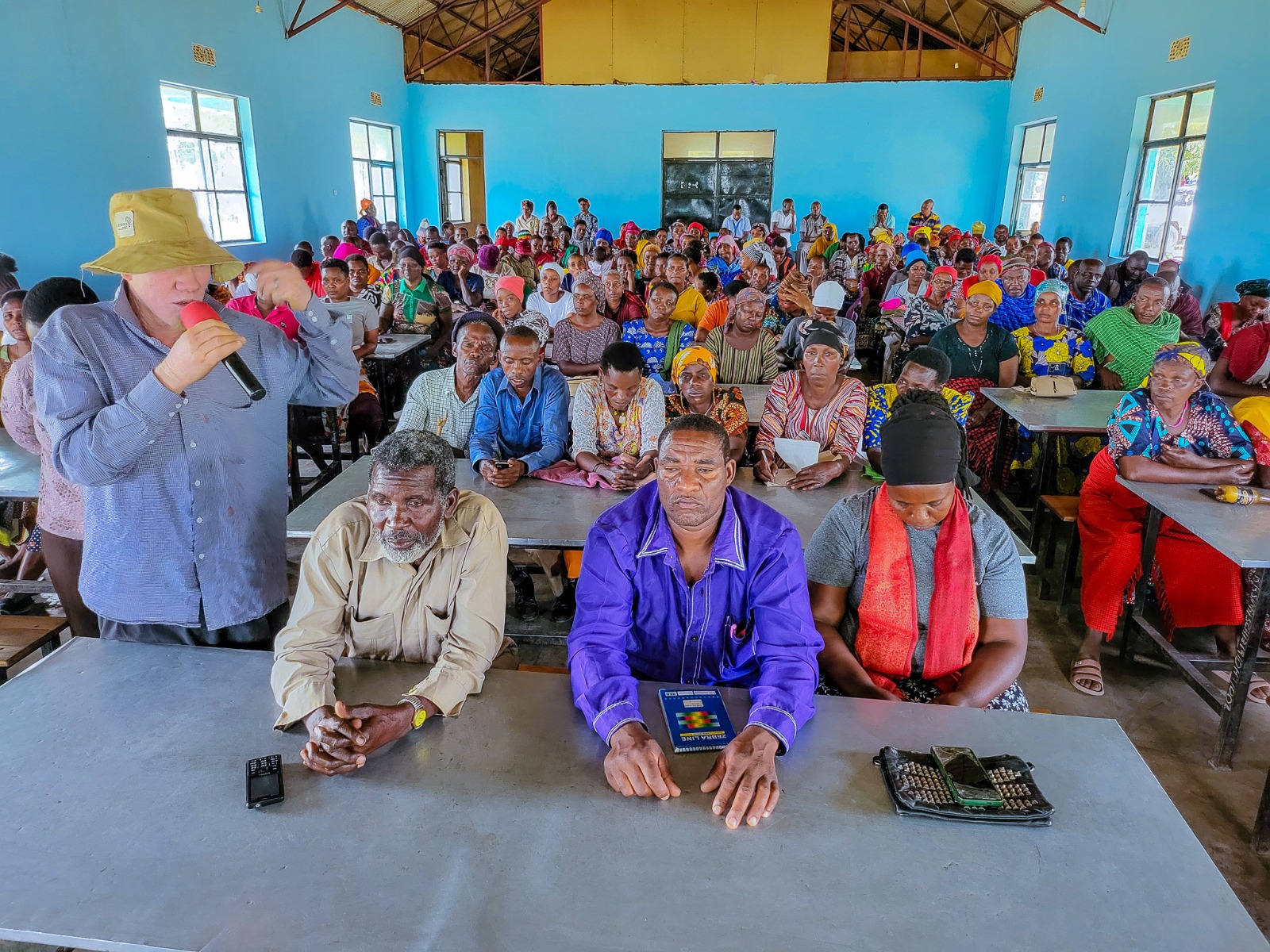
“My advice is that officials should visit us, especially in rural areas, and there should be environment management officers available to raise awareness about the challenges of using plastic bags. Even I am not aware of any issues with them. So, I suggest they come to educate us so we can understand if these bags pose any problems.” Advised Sarah Wilson William, a resident of Nyamagana, Mwanza.
In the production chain of plastic bags, as discussed in the first episode of this investigation, the process begins in factories where these bags are manufactured. Some experts suggest that the government should take decisive action by conducting raids to identify and shut down all plastic bag manufacturing factories in the country, ensuring that production is completely halted. Additionally, they recommend preventing plastic bags from entering Tanzania from neighboring countries such as Uganda.
“First, the focus should be on controlling the source. As health professionals, we cannot treat a disease without identifying its cause. To control a disease, you must first understand its origin. Therefore, I urge the government to take action. We see these plastic bags in our communities, but they come from manufacturers, and there are loopholes through which they enter. If their entry is blocked and foreign factories producing them are restricted, we will have effectively controlled the problem.” Audiphace Sabbo, Health Officer, Mwanza City.
The United Nations Environment Programme (UNEP) report, titled “Turning off the Tap: How the World Can End Plastic Pollution and Build a Circular Economy,” released on May 16, 2023, states that to tackle the issue of plastic pollution, including plastic bags, we need to invest in a circular economy.
The report emphasizes the creation of a market for products that can be reused multiple times, moving away from the economy of single-use plastic products that are discarded after use.
According to the report, adopting systems that promote the use of reusable products will significantly reduce plastic pollution by 30% by 2040, as it will replace many single-use plastic products.
Another area the UNEP report highlights is the development of a strong recycling market by ensuring that recycling activities are profitable. This could further reduce plastic pollution by an additional 20% by 2040. UNEP states that achieving this requires adequate availability of recyclable raw materials and ensuring that recycled products can compete fairly with those made from new raw materials.
In the United Nations (UN) magazine of September 2019, titled “Modern Technologies to Combat Plastic Pollution” it is stated that one of the ways to combat plastic pollution is to seek alternatives to all plastic products. The article reminds us that before the era of plastic, natural products were used to meet many needs that are now fulfilled by plastic. Therefore, finding alternatives to plastic is achievable by turning to natural products.
The UN suggests that this alternative is easy to implement and does not require new technology. For example, it is possible to return to using cloth bags for carrying goods in stores, markets etc, or using banana leaves to wrap and transport food, without the need for significant technological innovation.
The Environmental Management Act of 2004, Section 39, states that the District Council shall appoint a public officer for environmental management at the city, ward, village, street, and sub-vilage levels.
Despite the presence of officers responsible for coordinating all activities concerning environmental conservation in their respective areas, the use of plastic bags remains a problem in Mwanza city and Tanzania in general.
The Executive Director of the non-governmental environmental organization, Lawyers’ Environmental Action Team (LEAT), Lawyer Dr. Rugemeleza Nshala, states that from these officers being accountable to regional and district commissioners, citizens also have a responsibility to hold them accountable when they fail to perform their duties.
“For the most part, citizens have a significant role in holding government officials accountable because the government is accountable to the people. Therefore, every citizen has a duty to hold them accountable” said Dr. Nshala.
Section 41 of the Environmental Management Act of 2004 addresses the authorities of the Environmental Management Committees at the city, municipality, district, town, ward, village, street, and sub-village levels.
These committees have powers to initiate investigations and inquiries into any environmental-related accusations. However, despite this responsibility, the use of prohibited plastic bags is still at large.
Dr. Nshala believes that the lack of sufficient funding for the Environmental Management Committees leads to inefficiency in their work performance.
“The absence of financial resources and the lack of a system that ensures these committees are provided with the necessary resources make their work seem like extra or additional duties” said Dr. Nshala.
Dr. Nshala said that in the countries which succeeded in banning single-use plastic bags, such as Canada and some African countries like Rwanda, allocate sufficient funds to ensure proper enforcement of the laws and regulations.
“They allocate financial resources to make sure that when laws are passed, it’s not just about the law itself, but also providing the necessary funds to ensure these laws are followed and enforced. Therefore, there must be adequate funding. It is a mistake for Parliament to pass laws without allocating funds to ensure they are implemented” stated Dr. Nshala.
Dr. Nshala further highlighted that in order to progress, we need to review our laws and enhance public awareness on environmental issues so that citizens can hold their leaders accountable.
“For the most part, we need to change our laws so that those responsible (environment management officers) are directly employed to carry out these tasks. Additionally, there should be an increase in public awareness, and the presence of these committees and various environmental officials must be well understood. Citizens should also be able to demand accountability from them.” Advised Dr. Nshala.
We can see that in order to eliminate the use of plastic bags, the issue of accountability does not only lie with the leaders but begins at the individual level. This includes understanding the harm caused by plastic bags, knowing and implementing environmental management laws and regulations, and every citizen must be an environmental ambassador.
“The issue here is individual accountability, meaning how do I take care of the environment in my own home, how does the person in their home take care of the environment, and how does the person in their home take care of it? And there is nothing harder to clean up than plastic bags. The issue here is accountability. In the markets, we have already conducted seminars, there is no market leader who doesn’t know what’s going on. But when the market leader arrives at the market, what is the first and most important task they should emphasize? Cleanliness or environmental conservation?” asked Jerome Kayombo, NEMC Manager in Lake Victoria Zone.
In the views of the citizens, environment management officers, from sub-village level to the minister in charge, should effectively oversee their duties as outlined by the environmental management laws and regulations.
To protect the environment, Acting Head of the Environmental Sanitation Department in Mwanza City, Desderius Polle, encourages citizens to stop polluting the environment, as the consequences of these actions will return to them since they will have to live around polluted surroundings.
“Throwing waste like plastic bags, dumping any kind of waste in water sources or anywhere else, that is a sin and a crime. So, citizens should understand that when they do this, the harm doesn’t just go into the water. It comes back to us, because when we pollute a water source or food, we are the ones who consume it later. Therefore, we should know that everything we do has consequences for us.” Advised Desderius Polle, Acting Head of the Environmental Sanitation Department in Mwanza City.
Mwanza City is one of the most populous cities in Tanzania, with the latest 2022 census showing that the Mwanza Region, where the city is located, has more than 5 million people. Another unique aspect of the city is its proximity to Lake Victoria, which is a crucial source of fish. This situation means that environmental pollution, including the disposal of plastic bags, will affect millions of people and the fish breeding grounds.
This issue prompts Desderius Polle, Acting Head of the Environmental Sanitation Department in Mwanza City, to urge all citizens to collaborate with the environmental authorities, including the City Office, in reporting individuals who produce, store or use plastic bags.
“These bags have been seen in some areas, especially in waste collection points and in drainage systems. Therefore, we continue to control it. It appears to be entering through informal channels. It is our duty as workers, but it is also the duty of every citizen to cooperate by providing information on where the bags are entering, where they are found, and who is selling them, so we can locate, seize and destroy them. If possible, we should know who the producers and importers of these bags are” Polle requested, seeking public cooperation.
Currently, the world is grappling with the production of harmful emission that damage the ozone layer, including emissions stemming from the use of plastic, especially when they are burnt. In 2015, at the Conference of the Parties on Climate Change (COP21) held in Paris, France, Tanzania presented its “Intended Nationally Determined Contributions (INDCs)”, with a commitment to reduce the emission of greenhouse gases. This conference led to the Paris Agreement, where world leaders agreed on various measures to combat climate change.
“Tanzania will reduce the production of greenhouse gases from economic activities by 10 to 20 percent by 2030, in line with the Biennial Update Report (BUR), based on improvements in efficiency, alongside its sustainable development agenda. The reduction in greenhouse gases will be reviewed after the first Biennial Update Report.” States the commitment.
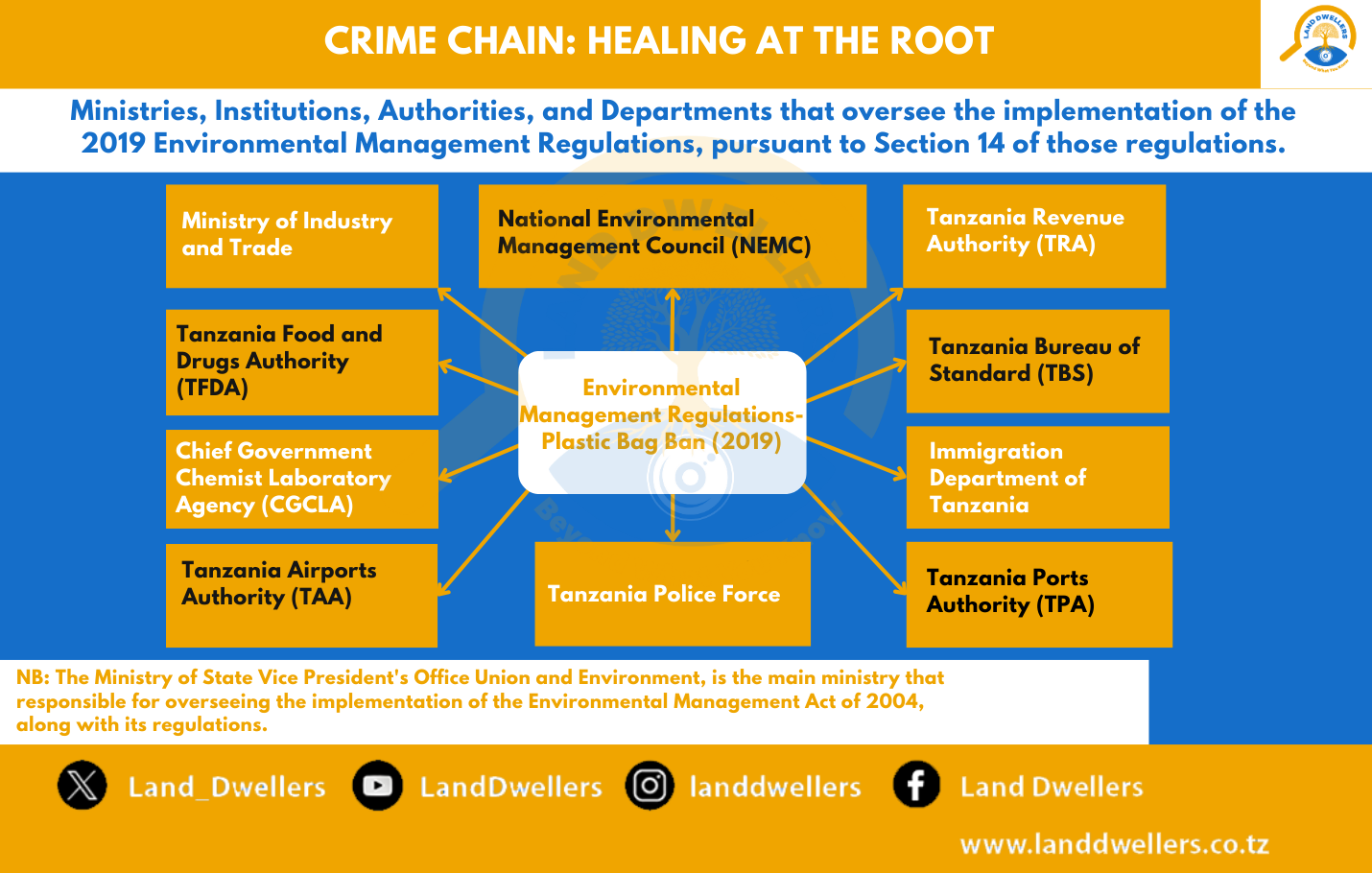
The situation observed in Mwanza City and some other areas in Tanzania, particularly regarding the use of plastic bags, contradicts this goal and raises many questions. Are we as a nation serious about advancing the climate change agenda? And to what extent are we responsible for achieving the goals set in this agenda? These and many other questions require responses from leaders, authorities, institutions and departments responsible for protecting the environment and enforcing the existing laws.
Author: Yohani Gwangway
Editor: Dominic Allen